
The sleep blueprint
Better sleep starts when you wake up
Most people think sleep begins when their head hits the pillow. In reality, quality sleep is built throughout the entire day.
I recently listened to a fascinating podcast on sleep optimisation, and the biggest takeaway was simple:
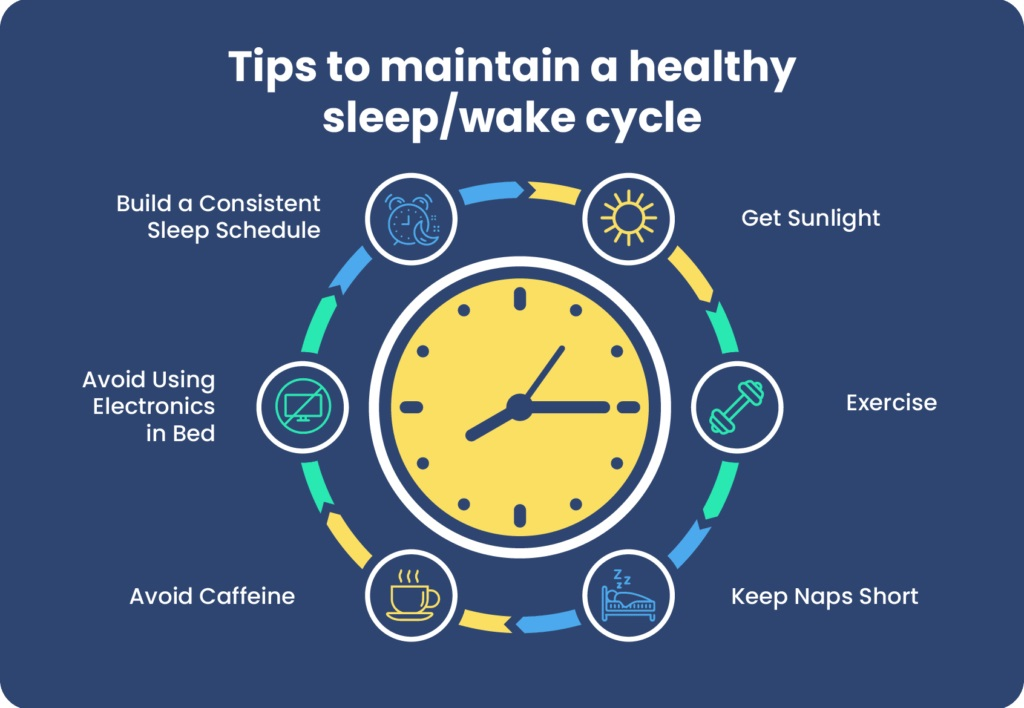
Great sleep is the result of the signals we give our body over a full 24-hour cycle.
So what does the ideal sleep day look like?
Start strong with morning light
One of the most effective ways to improve your sleep is to get outside within 30–60 minutes of waking.
Natural sunlight helps regulate your body clock, boosts alertness, and starts the biological countdown to sleep later that evening. Even five minutes outside on a bright morning can make a difference.

Photo by Josh Blanton on Unsplash
Move more, sleep better
Morning movement helps reinforce your body's wake-up signals. Whether it's a walk, a workout, or simply stretching, exercise supports energy levels during the day and helps build healthy sleep pressure for the night ahead.

Getty Images
Be smart with caffeine
Coffee can be helpful, but timing matters.

Try waiting 90 minutes after waking before your first cup, and avoid caffeine later in the afternoon if you're struggling with sleep. Quality sleep often depends on what you do long before bedtime.
Use evening light to your advantage
Just as morning light helps wake you up, evening light helps prepare you for sleep.

Copyright: Camille Marie Bieber
A short walk outside around sunset can support your natural circadian rhythm and help your body transition into relaxation mode.
Create a calming bedtime routine
As bedtime approaches, dim the lights, reduce screen use, and keep your bedroom cool and comfortable.
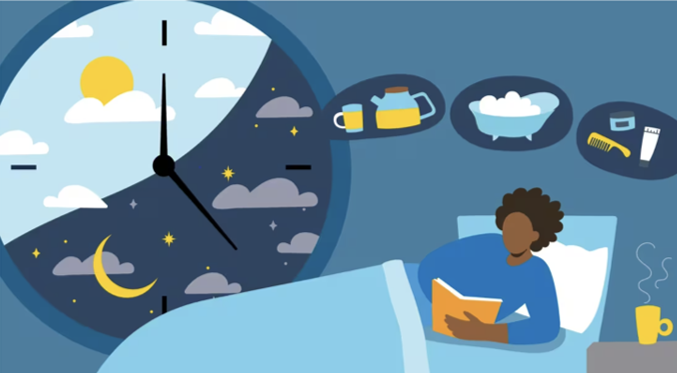
Your brain needs signals that the day is ending.
This is where sound can play a powerful role.
Introducing Sound for Sleep
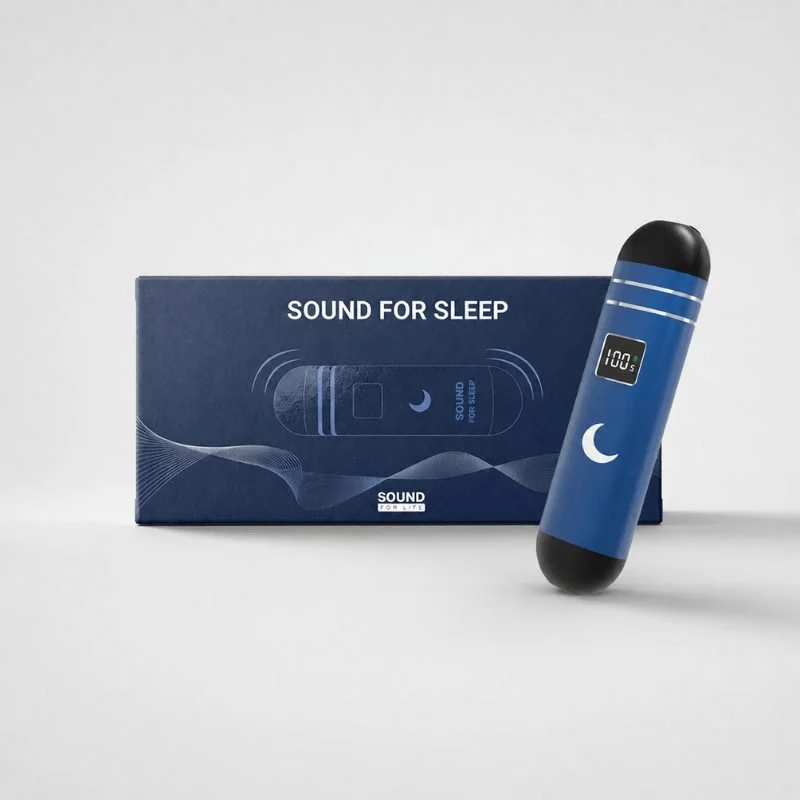
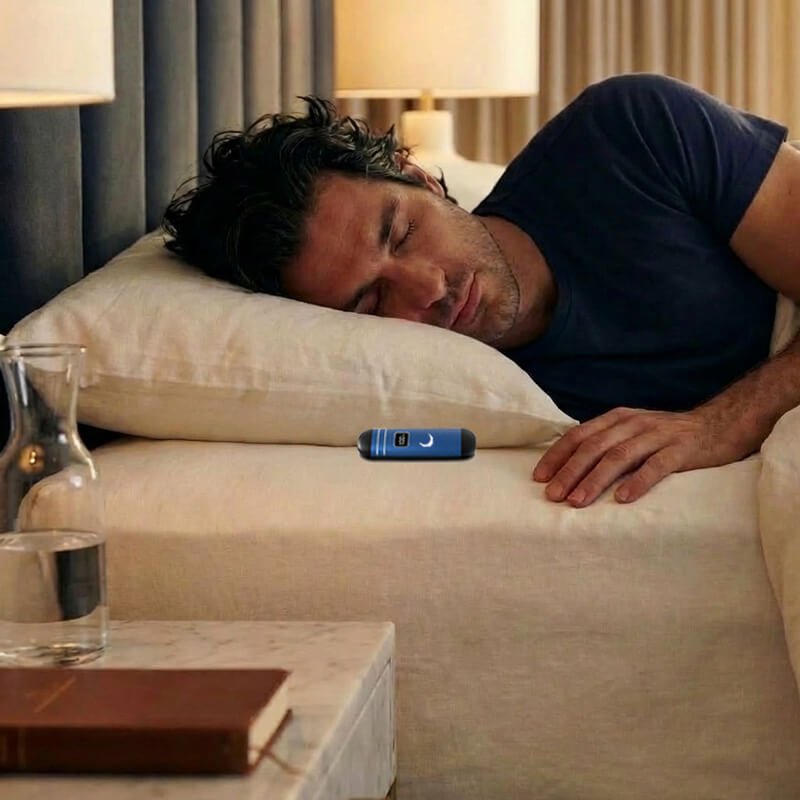
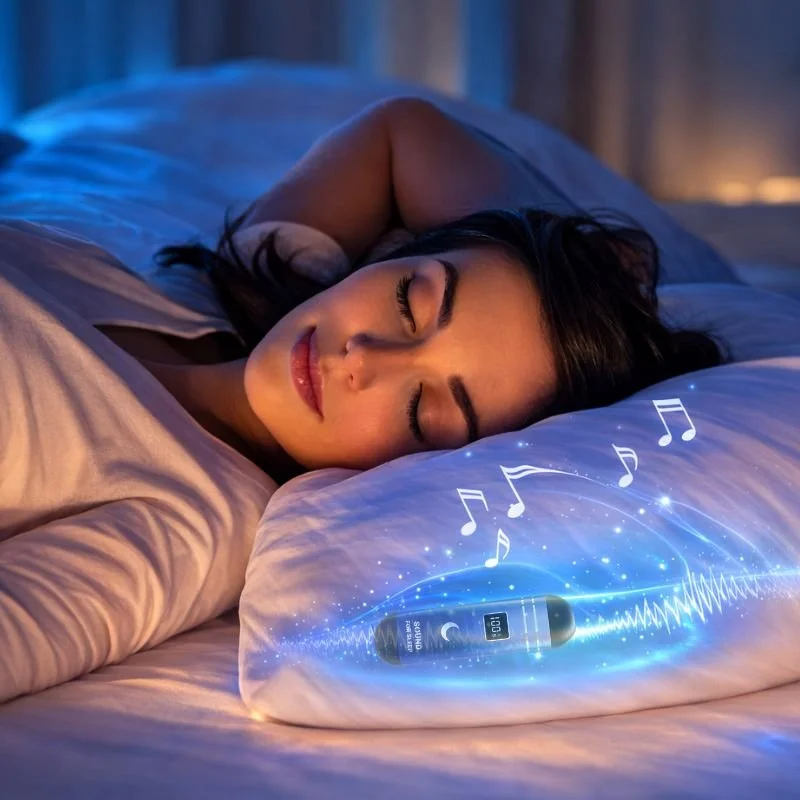
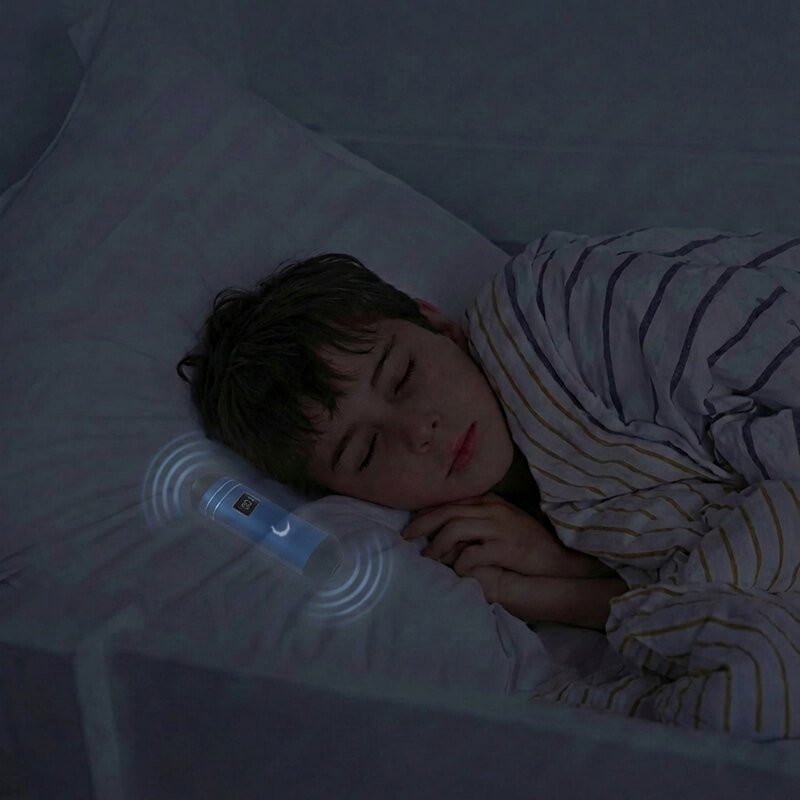
Sound for Sleep creates a soothing cocoon of sound and vibration through your pillow, helping calm the mind, encourage stillness, and support a natural transition into deep, restorative sleep.
The Sound for Sleep system has been designed to support relaxation and restful sleep using gentle bone-conducted sound vibrations delivered through your pillow.
Combined with specially selected music and sound settings, it creates a soothing sensory experience that helps calm the mind and support the body's natural transition into sleep.
Rather than masking noise with headphones or speakers, Sound for Sleep allows you to experience sound in a unique and deeply relaxing way while remaining comfortable in bed.
Order here: SHOP and use The Sound Teacher code: 2B9904934 for 10% off
The secret ingredient: Consistency
If there's one sleep tip worth remembering, it's this: Consistency beats perfection.
Regular sleep and wake times, combined with healthy daily habits and a calming evening routine, create the foundation for deeper, more restorative sleep.

MyoTape
Better sleep isn't created by a single trick. It's the result of small actions repeated every day.
If you'd like to learn more about the connection between sound and sleep, read my previous blog: Sound Asleep
If this blog resonates, you may find this guide helpful:
Free Guide: Why Anxiety, Balance & Focus Often Start in the Ear
A simple guide to understanding how the ear, movement and nervous system are connected.
