Brain renewal
The hidden reason our brains age and why being bad at something might be the best medicine.
Most people assume that getting older inevitably means losing memory, slowing down and becoming less capable of learning new things.
But what if that isn't the whole story?
According to Dr Tommy Wood, one of the biggest reasons our brains become less adaptable isn't simply because of age.
It's because we stop giving them reasons to change.
That is an incredibly hopeful message.
Your brain is constantly remodelling itself
Many people imagine the brain as something that gradually wears out over time.
The reality is far more fascinating.
During the first few years of life the brain produces an enormous number of neural connections. By around two or three years of age, it has largely finished creating new neurons. From that point onwards, development becomes less about building more and more connections, and more about refining the ones we already have.
The brain keeps the pathways it uses. It removes the ones it doesn't.
This process—known as synaptic pruning—makes the brain faster, more efficient and better suited to the life we actually live.
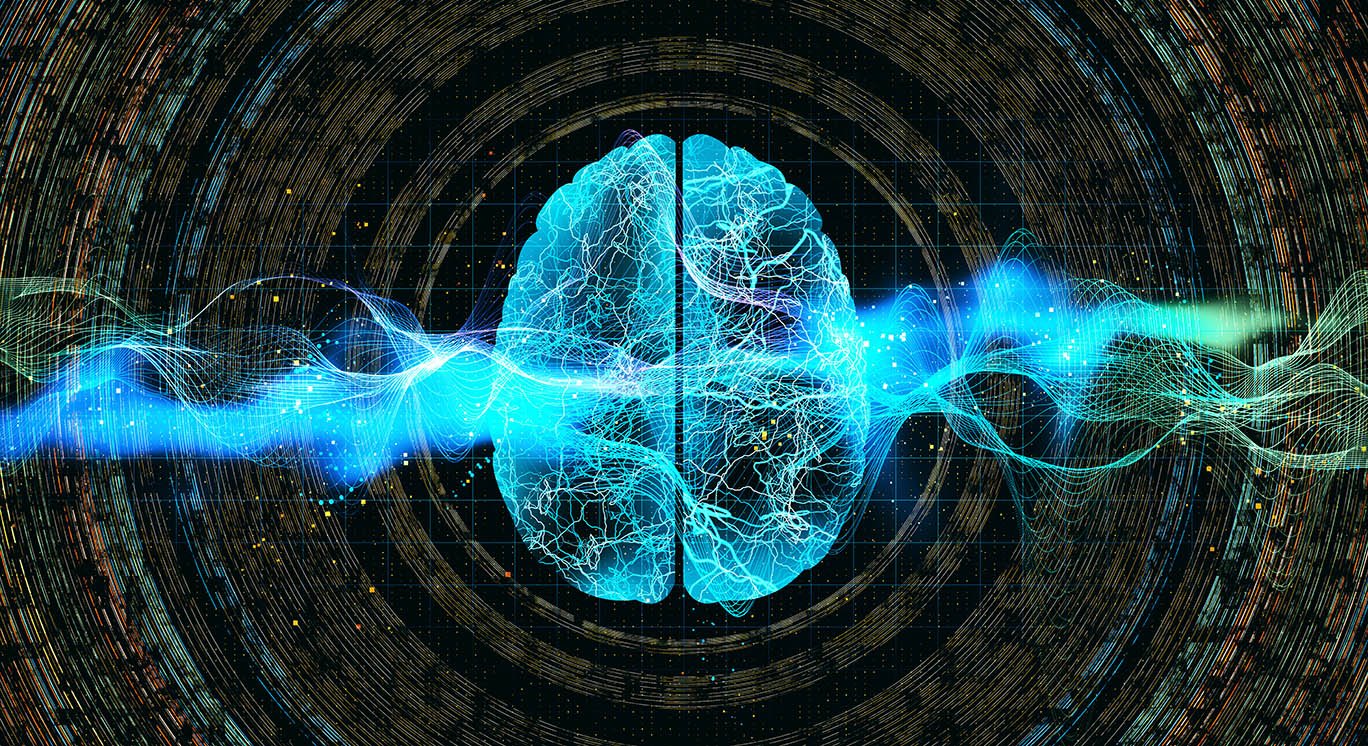
Image source: https://www.thefineryus.com/
A child exposed to music develops different networks from one exposed to multiple languages. A gymnast develops different brain circuits from a footballer.
Our experiences literally shape our brains.
Ageing doesn't stop this process
Here's the remarkable part. The brain never really stops pruning.
Throughout adulthood it continually asks one important question:
"Do I still need this?"
If the answer is no...those pathways gradually weaken.
Dr Wood describes this as part of the developmental theory of ageing. Rather than simply deteriorating with time, some aspects of ageing may reflect the brain becoming increasingly specialised while quietly letting go of abilities it no longer practises.

Image source: Easy-Peasy.AI
If you stop challenging balance...
those balance networks become less efficient.
If you stop learning...
the learning networks become less responsive.
If you stop moving in varied ways...
those movement circuits slowly become less refined.
The brain is incredibly economical. It won't spend energy maintaining systems that never get used!
Use it... but also challenge it
We've all heard the phrase:
"Use it or lose it."
There's certainly truth in that.
People who continue reading, volunteering, pursuing hobbies and staying mentally active generally maintain cognitive function better than those who don't.
But Dr Wood argues that's only half the picture.
Maintaining what you already know is important. Building something new is even more powerful. Research increasingly shows that older adults who begin entirely new activities often improve executive function, attention and cognitive flexibility.
Not because they became experts...
but because their brains had to adapt.
Your brain loves novelty
One of the strongest drivers of neuroplasticity is novelty.
The brain thrives when it encounters situations it cannot solve automatically.
Learning a language.
Picking up a musical instrument.
Joining a dance class.
Trying martial arts.
Learning to skateboard.
Taking up painting.
Starting a new ball sport.
Each of these forces multiple brain systems to work together.
Vision. Hearing. Movement. Attention. Memory. Timing. Decision making. Sometimes social interaction too.
The richer the challenge, the richer the brain's response.
Why crosswords aren't enough
This may surprise you. Dr Wood suggests that activities like crosswords and Sudoku certainly have value—but perhaps not for the reason many people think.
They help us focus. They can be calming. Almost meditative.
But if you've been doing them for years, your brain may no longer find them especially demanding. They're maintaining familiar pathways rather than creating new ones.
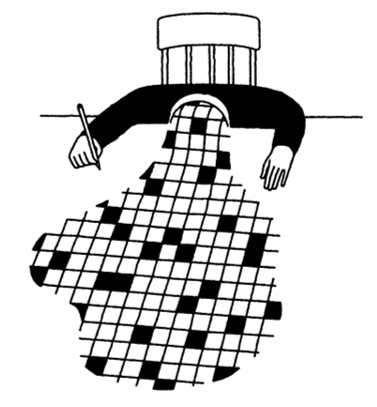
Image source: Pablo Amargo https://www.newyorker.com/magazine
Building brain capacity requires something different.
You need periods where you're focused and genuinely challenged.
Where you make mistakes.
Where you're slightly uncomfortable.
Where success isn't guaranteed.
That is when the brain starts reorganising itself.
The best brain exercises don't look like brain training
Many commercial "brain training" programmes improve performance on the specific task you're practising. Real life is different.
Dr Wood explains that the breadth of brain changes depends on the breadth of the challenge.
Learning one narrow computer task creates a narrow improvement. Learning a complex real-world skill creates widespread changes across multiple brain networks.
Think about learning tennis.
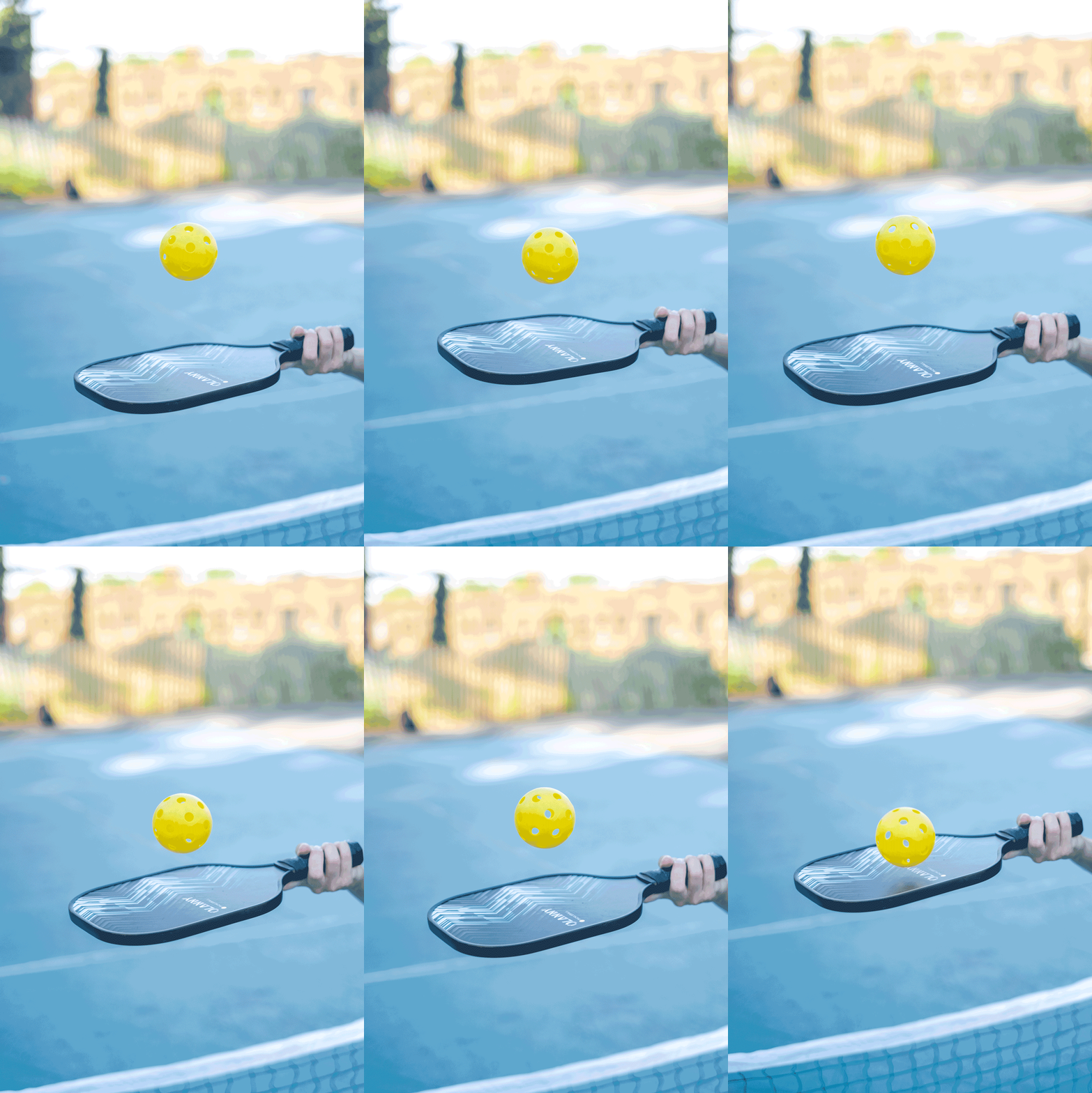
Or pickleball.
Or ballroom dancing.
You must watch. Listen. Move. Predict. React. Adjust your balance. Coordinate both sides of your body. Remember rules. Read another person's intentions.
All in real time.
That's a workout for the whole brain!
Every mistake becomes another opportunity for the brain to adapt.
The skill adults avoid
Perhaps the most important point Dr Wood makes has nothing to do with neuroscience. It's about psychology.
Children spend years being bad at things. Falling over. Mispronouncing words. Making mistakes. Trying again.
Adults often do the opposite. We avoid situations where we might look inexperienced.
We stop taking lessons.
We stop trying unfamiliar hobbies.
We stay inside our comfort zone.
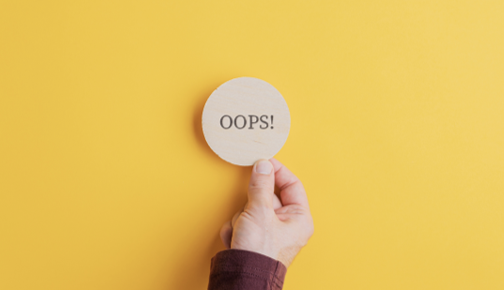
Image source: flashpointleadership.com
Ironically, that's exactly the environment where the brain receives the fewest signals to adapt. Being a beginner isn't a weakness. It's one of the strongest triggers for neuroplasticity.
What does this mean for hearing and listening?
This idea resonates strongly with what I see through the Tomatis® Method of auditory stimulation.
Listening is not a passive process.
It relies on constant cooperation between the ears, the brain, balance, movement, attention and memory.
When listening becomes richer and more efficient, many people naturally feel more confident engaging with new experiences—whether that's joining a class, learning an instrument, improving communication or simply becoming more active in everyday life.
Neuroplasticity isn't about finding one magic exercise.
It's about creating a lifestyle that continually encourages the brain to adapt.
Keep giving your brain new reasons to grow
Perhaps the goal isn't to stop ageing. Perhaps it's to keep adapting.
Exercise regularly.
Keep doing the activities you love.
But also choose something that makes you feel slightly uncomfortable.
Learn Spanish.
Take dance lessons.
Join a choir.
Try table tennis.
Pick up a guitar.
Learn to paint.
Say yes to something you're not very good at.
Your brain doesn't need perfection. It needs novelty.
Because every new challenge is another reason for your brain to keep building, refining and growing—at any age.
Inspired by the ideas shared by Dr Tommy Wood in his discussion on accelerating learning and neuroplasticity. This blog summarises and interprets those concepts for a general audience and does not represent a transcript of his presentation.
If this blog resonates, you may find this guide helpful:
Free Guide: Why Anxiety, Balance & Focus Often Start in the Ear
A simple guide to understanding how the ear, movement and nervous system are connected.
